A wardrobe can contain a white shirt, tailored trousers, a neutral blazer and several plain tops yet still produce the same outfit every morning. The problem is rarely a lack of clothes. It is usually a lack of contrast, proportion and a clear focal point. This guide is for women who want to build more distinctive combinations from familiar pieces, avoid unnecessary purchases and assess the ready-made clothing and accessories offered by by.olga.shop more deliberately.
Simplicity becomes dull only when every element speaks at the same volume
A basic garment is not supposed to carry the entire outfit. Its role is to provide a stable background for one noticeable decision: an unexpected texture, a sharper silhouette, a change of scale or a controlled colour accent. When the jacket, top, trousers, shoes and bag are equally neutral in shape and finish, the result may look unfinished rather than intentionally minimal.
Online comparison makes this distinction especially important. Kazakhstan’s Bureau of National Statistics reported that online retail represented 14.3% of total retail trade in 2025. Clothing, footwear and sporting goods accounted for 12.4% of goods sold through marketplaces. With so many options available, a useful buying question is not simply “Do I like this piece?” but “What new combinations will it create?” The by.olga.shop company profile on Mytrade.kz can be reviewed with that question in mind.
Give each outfit one deliberate point of tension
An effective basic look usually contains one element that behaves differently from the rest. Fashion stylists often create this effect through contrast rather than decoration. A relaxed shirt can be balanced by structured trousers; a strict suit can be softened by a knitted top; a monochrome outfit can gain depth from a glossy bag or textured footwear.
Four types of contrast worth testing
- Shape contrast: combine one relaxed piece with one more defined silhouette.
- Texture contrast: place smooth, matte, soft and structured surfaces next to one another.
- Mood contrast: style formal tailoring with a simple T-shirt, knitwear or understated casual footwear.
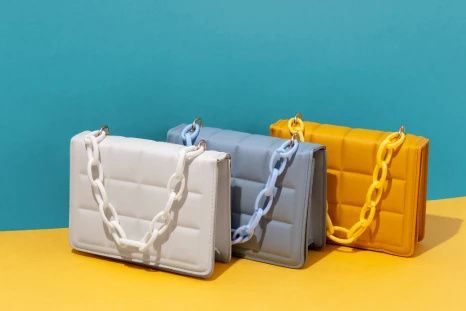
- Scale contrast: pair a clean outfit with one medium or large accessory instead of several small competing details.
Movement also changes how these contrasts are perceived. A jacket may look balanced from the front but appear too long when walking, while wide trousers may drape differently when sitting. The Reels videos featuring by.olga.shop clothing can help shoppers evaluate proportions and fabric behaviour beyond a static product image.
Use the 70–20–10 method as an editing tool
The 70–20–10 method is not a strict fashion rule, but it is a useful way to prevent a basic outfit from becoming either flat or overloaded. Approximately 70% of the visual area can remain calm, 20% can introduce a supporting contrast, and the final 10% can act as the focal point.
- Seventy percent: the main neutral base, such as a suit, dress or trousers with a plain top.
- Twenty percent: a second layer, contrasting material or different silhouette.
- Ten percent: a belt, earrings, footwear, scarf or bag that directs attention.
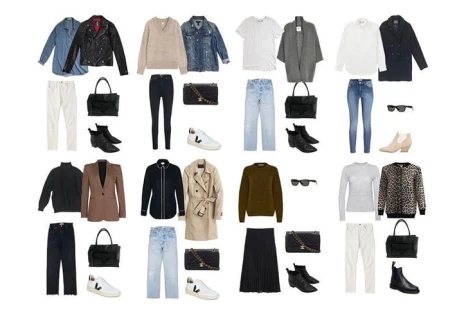
For example, beige trousers and an ivory shirt can form the base, a dark jacket can supply structure, and a burgundy bag can become the accent. The outfit remains versatile without looking accidental. Suitable foundations and accessories can be compared among the current offers from by.olga.shop.
Five combinations that make basics feel intentional
1. Tailored trousers, a plain top and one sculptural accessory
The trousers establish a clean line, while the accessory introduces personality. A structured bag, geometric earrings or a distinctive belt is usually enough. Adding several statement elements at once may weaken the effect.
2. A monochrome base built from three textures
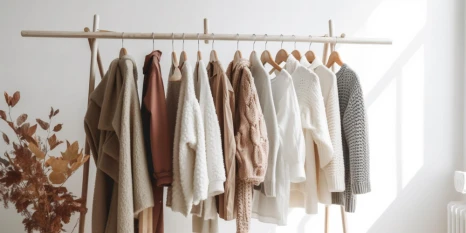
Use related shades but change the surfaces: knitwear, suiting fabric and smooth leather, for example. The palette remains quiet, while the differences in texture give the outfit depth.
3. A blazer with denim and a polished shoe
Denim reduces the formality of the blazer, while a clearly shaped shoe keeps the outfit composed. This formula can move between work, informal meetings and city plans without requiring a complete change of clothing.
4. A simple dress with a contrasting second layer
An open shirt, cropped jacket or cardigan changes the vertical and horizontal lines of the dress. The same garment can therefore create a relaxed daytime outfit or a more structured evening version.
5. A suit worn with an unexpected inner layer
Instead of the predictable blouse, try a fine-knit top, a plain T-shirt or a restrained contrasting colour. The tailoring remains visible, but the overall impression becomes less formal and more contemporary.
Texture can replace print when the wardrobe needs more depth
Print is not the only way to make an outfit memorable. A smooth satin-like top under a matte blazer creates contrast without introducing a pattern. Dense denim beside soft knitwear looks more dimensional than two fabrics with the same visual weight. Even a leather belt or metal jewellery can prevent a neutral combination from appearing flat.
When developing visual judgement, it is useful to compare outfits that use similar garments in different ways. The short-video collection on Mytrade.kz provides examples of how styling, movement and accessories can change the impression of familiar wardrobe categories.
The three-outfit test exposes unnecessary purchases
Before ordering a basic piece, name three complete outfits that can be assembled with clothes already in the wardrobe. Each outfit should serve a different situation. A blazer, for example, could be worn with tailored trousers for work, denim for a daytime meeting and a dress for dinner.
WRAP found that the average UK adult owned 118 items of clothing, with 26% left unworn for at least a year. The figures relate specifically to the United Kingdom, but the decision-making lesson is widely relevant: the number of garments does not indicate how functional a wardrobe is. A smaller collection of compatible pieces may create more usable outfits than a larger collection of isolated purchases.
by.olga.shop presents coordinated women’s clothing and accessories, which can simplify comparison between a main garment and the pieces needed to complete it. Additional practical materials are available in the by.olga.shop news and offers section.
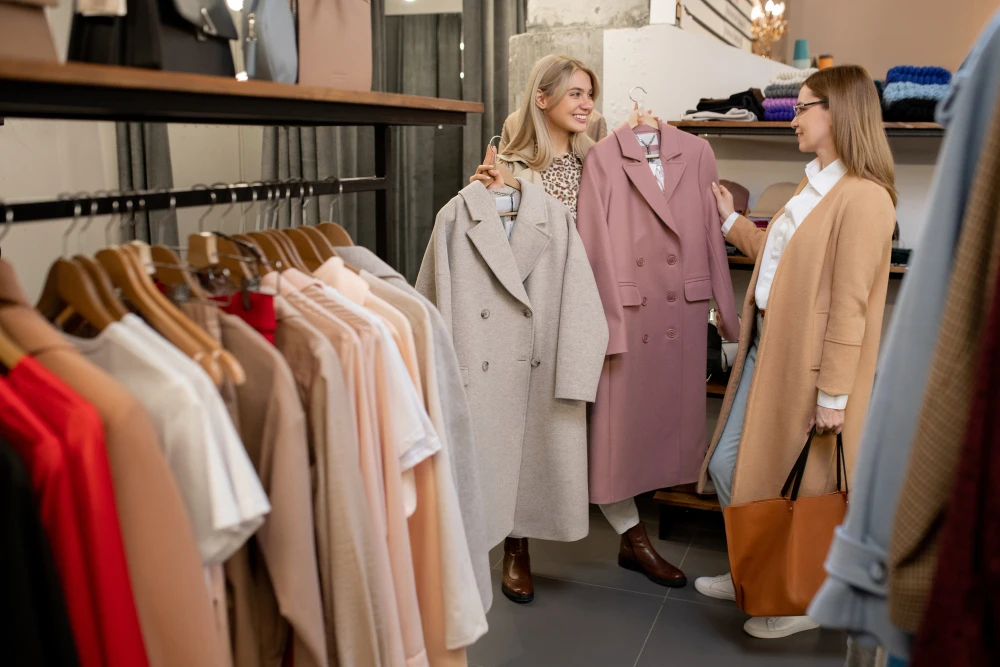
A sixty-second check before leaving the fitting room
- Roll or push up the sleeves and check whether the exposed wrist makes the silhouette lighter.
- Tuck in only the front of the top and compare it with the fully untucked version.
- Change the footwear and observe where the visual line of the trousers or skirt ends.
- Remove one accessory. If the outfit immediately looks clearer, the previous version contained too many focal points.
- Take a photograph from several steps away. The dominant proportion is often easier to identify on a smaller image than in a close mirror view.
These checks help separate a genuinely versatile garment from a piece that looks attractive only in one carefully arranged combination. Clothing and accessory categories can also be compared through the Mytrade.kz marketplace, while keeping compatibility with the existing wardrobe as the main criterion.
A quieter wardrobe can reveal more personality
Vivienne Westwood’s well-known principle, “Buy less, choose well, make it last,” is especially relevant to wardrobe basics. A useful basic piece should not disappear into the wardrobe; it should support several silhouettes, occasions and styling moods. WRAP estimates that extending the active life of clothing by nine months can reduce its carbon, water and waste footprints by up to 20%.
The objective is therefore not to decorate every neutral outfit, but to make one clear decision: change the proportion, introduce a different texture or add one purposeful accent. This approach allows the clothing and accessories selected from by.olga.shop to remain practical while still expressing personal style. To avoid details that can undermine even an expensive combination, continue with the previous guide to mistakes that make an outfit look cheaper.