'%3e%3cpath%20d='M12.0683%2015.2949H11.015C10.9053%2015.2949%2010.8164%2015.3838%2010.8164%2015.4935V25.7849C10.8164%2025.8946%2010.9053%2025.9835%2011.015%2025.9835H12.0683C12.1779%2025.9835%2012.2668%2025.8946%2012.2668%2025.7849V15.4935C12.2668%2015.3838%2012.1779%2015.2949%2012.0683%2015.2949Z'%20fill='%230048FF'/%3e%3cpath%20d='M15.0278%2015.2949H13.9915C13.8819%2015.2949%2013.793%2015.3838%2013.793%2015.4935V25.7849C13.793%2025.8946%2013.8818%2025.9835%2013.9915%2025.9835H15.0278C15.1374%2025.9835%2015.2263%2025.8946%2015.2263%2025.7849V15.4935C15.2263%2015.3838%2015.1374%2015.2949%2015.0278%2015.2949Z'%20fill='%230048FF'/%3e%3cpath%20d='M9.09443%2015.2949H1.71809C1.60845%2015.2949%201.51953%2015.3838%201.51953%2015.4935V21.6128C1.51953%2024.0267%203.47634%2025.9834%205.89013%2025.9834H9.09448C9.20412%2025.9834%209.29304%2025.8946%209.29304%2025.7849V15.4935C9.29299%2015.3838%209.20407%2015.2949%209.09443%2015.2949Z'%20fill='%230048FF'/%3e%3cpath%20d='M24.342%2015.2949H16.9486C16.8389%2015.2949%2016.75%2015.3838%2016.75%2015.4935V25.7849C16.75%2025.8946%2016.8389%2025.9835%2016.9486%2025.9835H20.17C22.5838%2025.9835%2024.5406%2024.0267%2024.5406%2021.6129V15.4935C24.5406%2015.3838%2024.4517%2015.2949%2024.342%2015.2949Z'%20fill='%230048FF'/%3e%3cpath%20d='M15.016%206.07227H13.9798C13.8702%206.07227%2013.7812%206.16113%2013.7812%206.27082V13.6882C13.7812%2013.7978%2013.8701%2013.8868%2013.9798%2013.8868H15.016C15.1257%2013.8868%2015.2146%2013.7979%2015.2146%2013.6882V6.27077C15.2146%206.16113%2015.1257%206.07227%2015.016%206.07227Z'%20fill='%230048FF'/%3e%3cpath%20d='M12.0605%206.07227H11.0071C10.8975%206.07227%2010.8086%206.16113%2010.8086%206.27082V13.6882C10.8086%2013.7978%2010.8975%2013.8868%2011.0071%2013.8868H12.0605C12.1701%2013.8868%2012.259%2013.7979%2012.259%2013.6882V6.27077C12.259%206.16113%2012.1701%206.07227%2012.0605%206.07227Z'%20fill='%230048FF'/%3e%3cpath%20d='M23.5711%206.07227H16.9368C16.8272%206.07227%2016.7383%206.16113%2016.7383%206.27082V13.6882C16.7383%2013.7978%2016.8271%2013.8868%2016.9368%2013.8868H23.571C24.9125%2013.8868%2025.9999%2012.7993%2025.9999%2011.4578V8.50119C26%207.1597%2024.9125%206.07227%2023.5711%206.07227Z'%20fill='%230048FF'/%3e%3cpath%20d='M9.08494%206.07227H2.42892C1.08748%206.07221%200%207.15965%200%208.50114V11.4577C0%2012.7992%201.08748%2013.8867%202.42892%2013.8867H9.08494V13.8867C9.19457%2013.8867%209.28349%2013.7978%209.28349%2013.6881V6.27077C9.28349%206.16113%209.19457%206.07227%209.08494%206.07227Z'%20fill='%230048FF'/%3e%3cpath%20d='M20.1871%201.47349C18.9897%20-0.129579%2016.7113%20-0.459759%2015.1081%200.737715C14.8681%200.916974%2014.1377%201.46252%2013.1094%204.1681C13.109%204.16937%2013.1084%204.17064%2013.1079%204.17191C13.0397%204.35157%2013.173%204.54383%2013.3652%204.54383H20.6349C20.7291%204.54383%2020.8107%204.47766%2020.8298%204.38539C21.0343%203.40226%2020.8339%202.33941%2020.1871%201.47349Z'%20fill='%230048FF'/%3e%3cpath%20d='M12.4378%202.93607C11.6806%201.28298%2011.1489%200.885569%2010.9508%200.737694C9.34772%20-0.459731%207.06926%20-0.129601%205.87183%201.47346C5.22508%202.33944%205.02465%203.40224%205.22915%204.38542C5.24834%204.47764%205.32979%204.54386%205.42404%204.54386H11.7223C11.8052%204.54386%2011.8796%204.49231%2011.9084%204.41447C11.9384%204.33311%2011.9691%204.2509%2012.0006%204.16808C12.1533%203.76609%2012.2995%203.41209%2012.4385%203.09953C12.4616%203.04748%2012.4615%202.98792%2012.4378%202.93607Z'%20fill='%230048FF'/%3e%3c/g%3e%3cdefs%3e%3cclipPath%20id='clip0_4773_3494'%3e%3crect%20width='26'%20height='26'%20fill='white'/%3e%3c/clipPath%3e%3c/defs%3e%3c/svg%3e)
Free ad placement
EN


Free ad placement

Goods, services, cars, real estate and jobs

Create a seller page

EN



0

9

0



АвтоВазмаркет
AvtoVazmarket on Valikhanov is a supplier of auto parts and components for cars in Russia, Europe, Asia and the USA. For more than 15 years, the company has been operating in the Kazakhstan market, offering wholesale and retail supplies, parts selection, regional delivery and service replacement of auto parts.
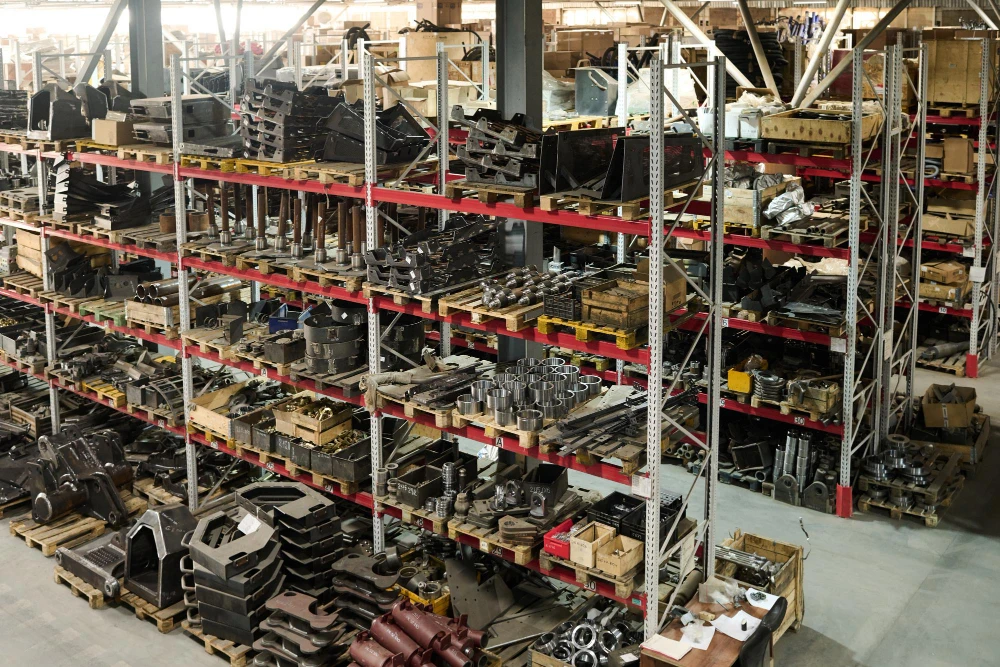
For repair shops, auto parts retailers, fleet operators, and transport companies, wholesale purchasing is not simply a procurement activity—it is a strategic process that directly affects profitability, cash flow, and operational continuity. A single incorrect part number may delay multiple vehicle repairs, increase warehouse costs, generate additional transportation expenses, and tie up working capital in inventory that cannot be sold. According to international supply chain research, correcting procurement errors may increase the total cost of the original purchase by 30–70% once return logistics, administrative work, warehouse handling, and replacement deliveries are included. This is why successful businesses focus on procurement accuracy before negotiating prices. AutoVazMarket offers a broad range of automotive components, while an organized purchasing process helps companies maximize every procurement budget.
Why procurement mistakes become expensive business problems
The financial impact of procurement errors grows rapidly with order volume. Imagine a repair network purchasing automotive parts worth KZT 30 million every quarter. If only 2% of ordered items are incorrect, the immediate value of unsuitable products reaches approximately KZT 600,000. However, this represents only the visible loss.
Additional expenses include warehouse processing, return freight, replacement orders, accounting operations, procurement staff time, delayed repairs, and idle service bays. Industry analyses show that operational costs often account for more than half of the total financial impact created by procurement errors.
For commercial fleets, delayed repairs create another challenge. Every vehicle waiting for the correct component reduces fleet utilization and may disrupt delivery schedules, customer commitments, and maintenance planning.
Before preparing a purchasing specification, companies can review the AutoVazMarket company profile to understand available product categories and supply directions.
Modern vehicles create thousands of purchasing combinations
Automotive manufacturing has become increasingly complex during the past decade. A single vehicle model may be produced with several engines, transmissions, suspension systems, braking packages, and regional specifications. Consequently, components that appear visually identical often differ in dimensions, mounting points, spline counts, electronic compatibility, or material composition.
Large international component manufacturers indicate that one popular vehicle platform may require more than 100 different OEM references for suspension and braking components alone. Even vehicles produced within the same model year may use different parts because of production updates or supplier changes.
For this reason, professional procurement departments rarely rely only on vehicle make and production year. Instead, they verify three critical identifiers simultaneously:
- Vehicle Identification Number (VIN);
- OEM part number;
- technical specifications of the component.
This three-level verification significantly reduces ordering mistakes and minimizes compatibility issues.
Slow-moving inventory quietly reduces profitability
Not every purchasing error results in an immediate return. Frequently, incorrect parts remain in warehouses for months or even years, occupying storage space while producing no revenue.
Suppose an auto parts distributor maintains inventory worth KZT 45 million. If only 8% consists of slow-moving products, approximately KZT 3.6 million becomes tied up in inventory with limited turnover. Assuming an annual cost of capital of 18%, financing costs alone exceed KZT 640,000 annually before warehouse operations, insurance, handling, and inventory management expenses are considered.
Businesses preparing procurement plans may compare required product categories with AutoVazMarket's current listings before placing wholesale orders.
Performance indicators used by professional procurement teams
Leading automotive distributors no longer evaluate procurement performance solely by purchase price. Instead, they monitor operational metrics that measure inventory efficiency, supply reliability, and purchasing accuracy. Even small improvements in these indicators can generate significant annual savings.
Key procurement metrics include:
- Fill Rate — the percentage of customer or internal orders delivered completely. Well-managed supply chains generally target levels above 95%.
- Inventory Turnover — how many times inventory is sold and replenished during a year. Higher turnover usually indicates healthier cash flow and lower warehouse costs.
- Order Accuracy — the percentage of orders shipped without specification errors. Reducing procurement mistakes from 3% to 1% can lower logistics, warranty handling, and administrative expenses considerably.
- Backorder Rate — the proportion of requested parts that cannot be supplied immediately because inventory is unavailable.
Another widely used analytical tool is ABC inventory analysis. Based on the Pareto principle, approximately 20% of stock keeping units (SKUs) frequently generate around 80% of annual sales. These high-demand components require continuous availability, while slower-moving products should be purchased according to actual demand forecasts rather than estimated consumption.
Businesses interested in market updates and product information may also follow the AutoVazMarket news section, where new products and industry materials are published.
Five practical steps before confirming a wholesale order
International procurement practices demonstrate that most costly mistakes occur before a purchase order is submitted. Establishing a structured verification process helps reduce financial risks and improves long-term inventory performance.
- Collect VIN information for every vehicle included in the procurement plan.
- Verify current OEM references and identify any superseded part numbers issued by manufacturers.
- Separate fast-moving, seasonal, and low-demand components before calculating order quantities.
- Review purchasing specifications to eliminate duplicate part numbers submitted by different departments.
- Perform an independent technical review before approving the final purchase order.
Companies implementing standardized procurement procedures generally experience fewer returns, improved warehouse utilization, lower inventory carrying costs, and more predictable purchasing budgets. AutoVazMarket provides a broad product assortment that can support businesses seeking a centralized supplier for multiple automotive component categories.
Procurement accuracy creates long-term competitive advantage
As vehicle technology continues to evolve and supply chains become more complex, procurement accuracy has become just as important as pricing. Businesses that systematically verify technical specifications, monitor inventory performance, and regularly analyze purchasing data are better positioned to reduce unnecessary costs, improve cash flow, and maintain stable operations. Every correctly selected component contributes to a more efficient warehouse and a more profitable business.
Additional automotive products and suppliers can be explored through the Mytrade.kz marketplace. For further reading on selecting reliable suspension components, we also recommend the article "Ball Joints and Suspension Components: How to Avoid Repeated Replacement", which explains the main causes of premature suspension wear and practical selection criteria.