'%3e%3cpath%20d='M12.0683%2015.2949H11.015C10.9053%2015.2949%2010.8164%2015.3838%2010.8164%2015.4935V25.7849C10.8164%2025.8946%2010.9053%2025.9835%2011.015%2025.9835H12.0683C12.1779%2025.9835%2012.2668%2025.8946%2012.2668%2025.7849V15.4935C12.2668%2015.3838%2012.1779%2015.2949%2012.0683%2015.2949Z'%20fill='%230048FF'/%3e%3cpath%20d='M15.0278%2015.2949H13.9915C13.8819%2015.2949%2013.793%2015.3838%2013.793%2015.4935V25.7849C13.793%2025.8946%2013.8818%2025.9835%2013.9915%2025.9835H15.0278C15.1374%2025.9835%2015.2263%2025.8946%2015.2263%2025.7849V15.4935C15.2263%2015.3838%2015.1374%2015.2949%2015.0278%2015.2949Z'%20fill='%230048FF'/%3e%3cpath%20d='M9.09443%2015.2949H1.71809C1.60845%2015.2949%201.51953%2015.3838%201.51953%2015.4935V21.6128C1.51953%2024.0267%203.47634%2025.9834%205.89013%2025.9834H9.09448C9.20412%2025.9834%209.29304%2025.8946%209.29304%2025.7849V15.4935C9.29299%2015.3838%209.20407%2015.2949%209.09443%2015.2949Z'%20fill='%230048FF'/%3e%3cpath%20d='M24.342%2015.2949H16.9486C16.8389%2015.2949%2016.75%2015.3838%2016.75%2015.4935V25.7849C16.75%2025.8946%2016.8389%2025.9835%2016.9486%2025.9835H20.17C22.5838%2025.9835%2024.5406%2024.0267%2024.5406%2021.6129V15.4935C24.5406%2015.3838%2024.4517%2015.2949%2024.342%2015.2949Z'%20fill='%230048FF'/%3e%3cpath%20d='M15.016%206.07227H13.9798C13.8702%206.07227%2013.7812%206.16113%2013.7812%206.27082V13.6882C13.7812%2013.7978%2013.8701%2013.8868%2013.9798%2013.8868H15.016C15.1257%2013.8868%2015.2146%2013.7979%2015.2146%2013.6882V6.27077C15.2146%206.16113%2015.1257%206.07227%2015.016%206.07227Z'%20fill='%230048FF'/%3e%3cpath%20d='M12.0605%206.07227H11.0071C10.8975%206.07227%2010.8086%206.16113%2010.8086%206.27082V13.6882C10.8086%2013.7978%2010.8975%2013.8868%2011.0071%2013.8868H12.0605C12.1701%2013.8868%2012.259%2013.7979%2012.259%2013.6882V6.27077C12.259%206.16113%2012.1701%206.07227%2012.0605%206.07227Z'%20fill='%230048FF'/%3e%3cpath%20d='M23.5711%206.07227H16.9368C16.8272%206.07227%2016.7383%206.16113%2016.7383%206.27082V13.6882C16.7383%2013.7978%2016.8271%2013.8868%2016.9368%2013.8868H23.571C24.9125%2013.8868%2025.9999%2012.7993%2025.9999%2011.4578V8.50119C26%207.1597%2024.9125%206.07227%2023.5711%206.07227Z'%20fill='%230048FF'/%3e%3cpath%20d='M9.08494%206.07227H2.42892C1.08748%206.07221%200%207.15965%200%208.50114V11.4577C0%2012.7992%201.08748%2013.8867%202.42892%2013.8867H9.08494V13.8867C9.19457%2013.8867%209.28349%2013.7978%209.28349%2013.6881V6.27077C9.28349%206.16113%209.19457%206.07227%209.08494%206.07227Z'%20fill='%230048FF'/%3e%3cpath%20d='M20.1871%201.47349C18.9897%20-0.129579%2016.7113%20-0.459759%2015.1081%200.737715C14.8681%200.916974%2014.1377%201.46252%2013.1094%204.1681C13.109%204.16937%2013.1084%204.17064%2013.1079%204.17191C13.0397%204.35157%2013.173%204.54383%2013.3652%204.54383H20.6349C20.7291%204.54383%2020.8107%204.47766%2020.8298%204.38539C21.0343%203.40226%2020.8339%202.33941%2020.1871%201.47349Z'%20fill='%230048FF'/%3e%3cpath%20d='M12.4378%202.93607C11.6806%201.28298%2011.1489%200.885569%2010.9508%200.737694C9.34772%20-0.459731%207.06926%20-0.129601%205.87183%201.47346C5.22508%202.33944%205.02465%203.40224%205.22915%204.38542C5.24834%204.47764%205.32979%204.54386%205.42404%204.54386H11.7223C11.8052%204.54386%2011.8796%204.49231%2011.9084%204.41447C11.9384%204.33311%2011.9691%204.2509%2012.0006%204.16808C12.1533%203.76609%2012.2995%203.41209%2012.4385%203.09953C12.4616%203.04748%2012.4615%202.98792%2012.4378%202.93607Z'%20fill='%230048FF'/%3e%3c/g%3e%3cdefs%3e%3cclipPath%20id='clip0_4773_3494'%3e%3crect%20width='26'%20height='26'%20fill='white'/%3e%3c/clipPath%3e%3c/defs%3e%3c/svg%3e)
Free ad placement
EN


Free ad placement

Goods, services, cars, real estate and jobs

Create a seller page

EN



0

10

0



АвтоВазмаркет
AvtoVazmarket on Valikhanov is a supplier of auto parts and components for cars in Russia, Europe, Asia and the USA. For more than 15 years, the company has been operating in the Kazakhstan market, offering wholesale and retail supplies, parts selection, regional delivery and service replacement of auto parts.
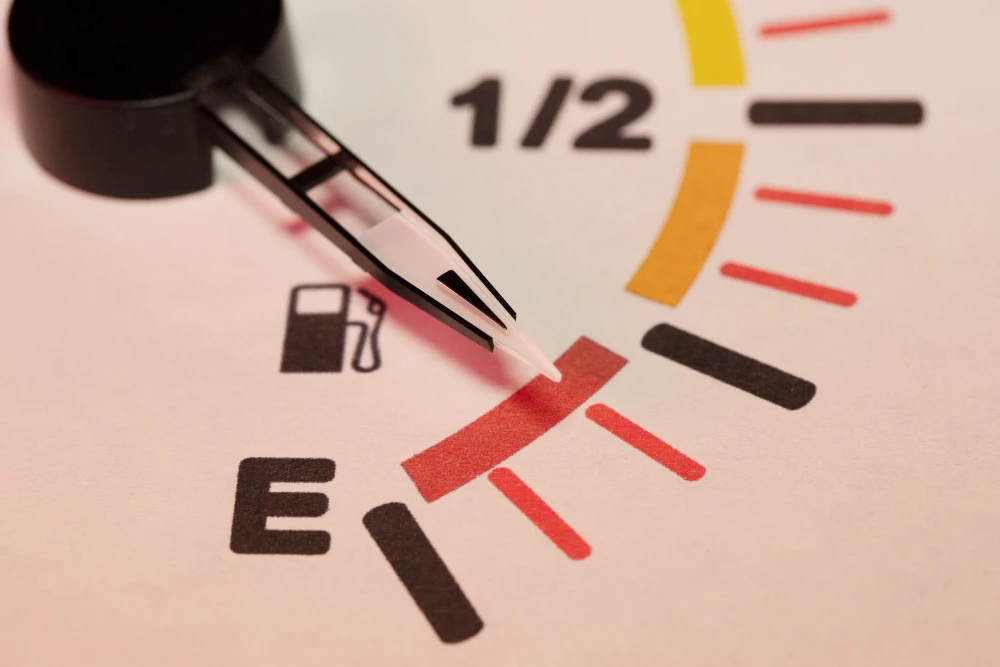
Increased fuel consumption is one of the most common issues vehicle owners face. If your car suddenly starts using more gasoline or diesel than usual, it doesn't necessarily mean the vehicle is getting old. In many cases, the cause is a technical malfunction, improper driving habits, or a lack of regular maintenance.
According to international automotive organizations, routine vehicle maintenance can reduce fuel consumption by 10–15%, while fixing even minor mechanical issues can significantly lower long-term operating costs.
Using high-quality auto parts and performing timely maintenance helps keep the engine running efficiently while minimizing fuel consumption.
What Are the Signs of Increased Fuel Consumption?
You don't have to rely solely on your vehicle's onboard computer to notice higher fuel usage.
Common warning signs include:
- filling up the fuel tank more frequently than before;
- reduced driving range on a full tank;
- rough or unstable engine operation;
- decreased acceleration performance;
- the smell of fuel;
- noticeably higher fuel consumption on your usual routes.
If fuel consumption increases without an obvious reason, it's recommended to have the vehicle inspected by a qualified technician.
Dirty Air Filter
An engine requires a sufficient amount of clean air to burn fuel efficiently.
When the air filter becomes clogged:
- the air-fuel mixture becomes less efficient;
- engine performance decreases;
- fuel consumption increases.
Most manufacturers recommend replacing the air filter every 10,000–20,000 km (6,000–12,000 miles) depending on driving conditions.
Worn Spark Plugs
Faulty spark plugs prevent complete combustion of the fuel mixture.
This may result in:
- reduced engine power;
- rough engine operation;
- increased fuel consumption;
- difficult engine starting.
Replacing worn spark plugs on time helps restore engine performance and improve fuel efficiency.
Low Tire Pressure
Underinflated tires create greater rolling resistance.
According to automotive experts, a pressure drop of just 0.5 bar (about 7 psi) can increase fuel consumption by 2–5%.
For this reason, tire pressure should be checked at least once a month.
Faulty Oxygen Sensor (Lambda Sensor)
The oxygen sensor monitors the air-fuel mixture entering the engine.
When it fails:
- the engine control unit receives incorrect data;
- more fuel is injected than necessary;
- fuel consumption increases;
- exhaust emissions become higher.
Replacing a faulty oxygen sensor helps restore the engine's optimal operating efficiency.
Dirty Fuel System
Over time, deposits accumulate throughout the fuel system.
This may lead to:
- poor fuel atomization;
- clogged or inefficient fuel injectors;
- reduced engine power;
- increased fuel consumption.
Regular fuel system cleaning helps maintain engine performance and fuel efficiency.
Poor-Quality or Old Engine Oil
Engine oil reduces friction between moving engine components.
If old or incorrect oil is used:
- internal engine resistance increases;
- engine load becomes higher;
- fuel consumption rises;
- engine wear accelerates.
Always use engine oil that meets your vehicle manufacturer's specifications.
Aggressive Driving Style
Even a perfectly maintained vehicle can consume significantly more fuel if driven aggressively.
The biggest contributors include:
- rapid acceleration;
- hard braking;
- driving at high engine speeds;
- excessive idling.
According to industry experts, adopting a smoother driving style can reduce fuel consumption by 15–25%.
How Can You Reduce Fuel Consumption?
Automotive specialists recommend the following:
- perform scheduled vehicle maintenance;
- replace filters and spark plugs according to the maintenance schedule;
- maintain the correct tire pressure;
- use high-quality fuel;
- inspect and clean the fuel system regularly;
- use the recommended engine oil;
- avoid sudden acceleration and harsh braking.
Following these recommendations not only reduces fuel consumption but also extends engine life.
Where Can You Find the Right Replacement Parts?
Maintaining good fuel efficiency starts with using reliable automotive components.
Air filters, spark plugs, oxygen sensors, fuel filters, engine oils, and many other replacement parts can be found in the auto parts catalog, which features products from multiple suppliers for most popular vehicle brands.
Final Thoughts
Higher fuel consumption should never be considered normal. In most cases, it is a sign that your vehicle requires maintenance or replacement of worn components. Regular inspections, timely servicing, and the use of quality auto parts help reduce fuel costs, improve vehicle reliability, and prevent expensive repairs in the future.
At Mytrade.kz, you can quickly find the replacement parts you need, compare offers from different suppliers, and choose quality components to keep your vehicle running efficiently and economically.
Read also: Why Is Your Engine Overheating? Common Causes and How to Prevent Costly Repairs.