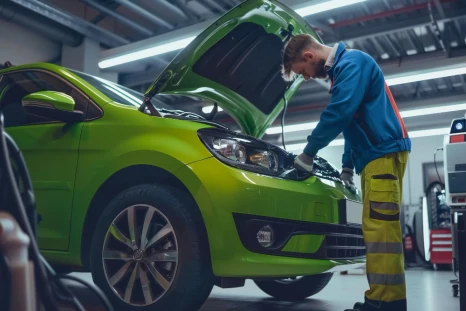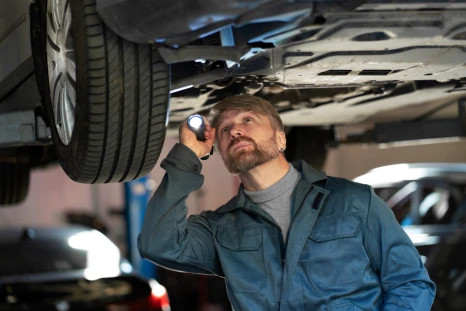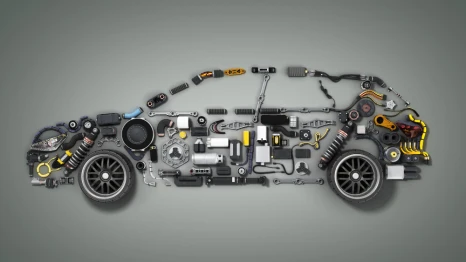
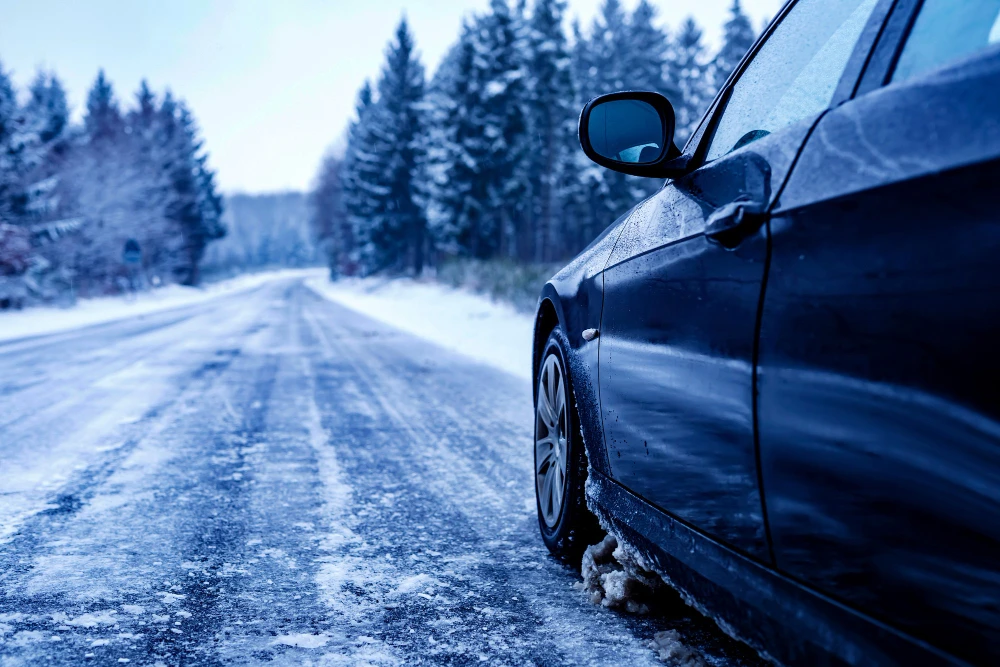
Winter is one of the toughest seasons for any vehicle. Freezing temperatures, snow, ice, road salt, and increased moisture place additional stress on nearly every major vehicle system. That's why preparing your car for winter should begin before the first frost arrives—not after.
A thorough inspection and the timely replacement of auto parts can help prevent unexpected breakdowns, improve driving safety, and reduce costly repair bills.
1. Check the Battery
Cold weather places the greatest strain on your vehicle's battery.
Before winter, inspect:
- battery charge level;
- voltage;
- battery terminals;
- signs of corrosion;
- battery age.
If your battery is more than four or five years old or you've experienced slow engine starts, replacing it before winter is a wise investment.
2. Change the Engine Oil
Low temperatures increase the viscosity of engine oil, making cold starts more difficult.
Before winter, it is recommended to:
- use the oil viscosity specified by the manufacturer;
- replace the oil filter;
- check the oil level.
Fresh engine oil reduces wear during cold starts and improves engine protection.
3. Inspect the Cooling System
Coolant protects the engine not only from overheating but also from freezing.
Before temperatures drop, check:
- coolant level;
- the system for leaks;
- radiator hoses and connections;
- whether the coolant needs replacement.
Old coolant may lose its protective properties and increase the risk of engine damage.
4. Examine the Braking System
Reliable brakes become even more important on icy and snow-covered roads.
Inspect the following components:
- brake pads;
- brake discs;
- brake fluid level;
- brake hoses.
Worn braking components should be replaced without delay.
5. Prepare Your Winter Tires
Winter tires significantly improve traction, shorten braking distances, and enhance vehicle control.
Before installation, check:
- tread depth;
- signs of damage;
- tire pressure;
- manufacturing date.
Even tires with good tread lose effectiveness as the rubber ages.
6. Replace Worn Windshield Wipers
Clear visibility is essential during winter driving.
Before the season begins:
- replace worn wiper blades;
- fill the washer reservoir with winter windshield washer fluid;
- inspect the washer nozzles.
These simple steps help maintain good visibility during snow, rain, and freezing conditions.
7. Test the Lighting System
Shorter daylight hours make proper vehicle lighting even more important.
Check the operation of:
- low and high beam headlights;
- fog lights;
- brake lights;
- turn signals;
- license plate lights.
Proper lighting greatly improves road safety during winter months.
8. Check the Heating System
A properly functioning heater is more than just a comfort feature during winter.
It is essential for:
- keeping the cabin warm;
- preventing windshield fogging;
- maintaining clear visibility.
Make sure the heating system is operating efficiently before freezing temperatures arrive.
Which Parts Should You Replace Before Winter?
Several maintenance items are worth replacing before the winter season begins.
These include:
- the battery;
- spark plugs;
- filters;
- windshield wiper blades;
- engine coolant;
- brake pads.
Finding compatible replacement components is simple with an auto parts catalog, where products from multiple suppliers are available for a wide variety of vehicles.
Final Thoughts
Preparing your vehicle for winter is not just a seasonal recommendation—it's an essential part of safe and reliable vehicle ownership. Checking the battery, braking system, cooling system, lighting, tires, and other critical components before winter arrives helps prevent unexpected breakdowns and ensures your vehicle performs safely throughout the cold season.
For more professional maintenance advice, explore our automotive maintenance articles. You can also compare trusted suppliers and find high-quality auto parts and winter maintenance components for your vehicle on Mytrade.kz.