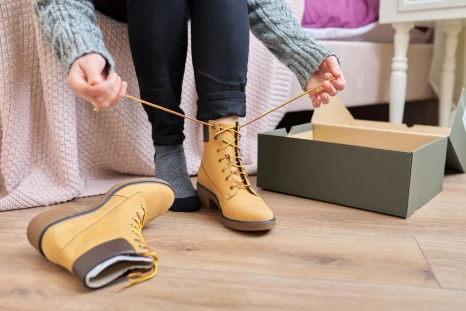

A shoe order can look reasonable on the screen and still become an expensive wardrobe mistake. The usual causes are not limited to choosing the wrong numbered size: width, toe space, intended use, material, fastening and compatibility with existing clothes matter as well. This checklist is designed for shoppers comparing several models and wanting to make a decision based on practical use rather than appearance alone. Available options can be reviewed through the PASSAGE company profile on Mytrade.kz.
Begin with the job the shoes must perform
Before checking colour or decorative details, define where the pair will be worn. “For everyday use” is too broad. A useful answer sounds more specific: eight-hour office days, regular city walking, weekend travel, driving or occasional events. The surface, weather, walking distance and time spent on your feet should influence the model more than a photograph does.
A practical purchase should cover a real gap rather than repeat a pair already owned. Compare the available current footwear offers from PASSAGE by purpose, sole construction and expected frequency of wear. A model intended for three weekly outings usually has more wardrobe value than one that fits only a single event.
Use ten questions instead of one impression
Score each row with 2 points when the answer is clear, 1 point when more information is needed and 0 points when the decision is based mainly on appearance or impulse. The maximum is 20 points. This is a purchasing tool rather than a medical assessment, but it helps expose uncertainty before payment.
| No. | Question | What to verify | Warning sign |
|---|---|---|---|
| 1 | What exact situation is this pair for? | Name the location, season, surface and expected wearing time. | The only answer is “I may need it someday.” |
| 2 | Have both feet been measured recently? | Check length and width, then use the larger foot as the reference. | The decision relies on an old size remembered from another brand. |
| 3 | Does the last suit the shape of the foot? | Consider forefoot width, instep height, heel hold and toe-box shape. | The model appears likely to pinch at the sides or across the instep. |
| 4 | Is there enough room in front of the toes? | Allow approximately 1 cm beyond the longest toe. | The toes touch the front or cannot move freely. |
| 5 | Were the intended socks or insoles considered? | Account for seasonal sock thickness and any additional insole. | The fit was judged only with thin socks. |
| 6 | Is the material suitable for the conditions? | Check breathability, flexibility, moisture exposure and care needs. | The material looks attractive, but its maintenance is unclear. |
| 7 | Will the sole work for the expected surface? | Assess bending point, grip, weight and stability. | The sole is slippery, excessively rigid or unstable for the intended use. |
| 8 | Can the shoes work with at least three outfits? | Build three combinations from clothes already owned. | The purchase requires additional clothing to become wearable. |
| 9 | Does the pair duplicate an existing model? | Compare colour, purpose, season, heel height and sole type. | A similar pair already performs the same function. |
| 10 | Are the ordering conditions understood? | Clarify payment, delivery, inspection and return procedures. | The order is confirmed before the essential conditions are checked. |
A size label cannot describe the whole fit
A systematic review of 18 studies found that between 63% and 72% of participants were wearing shoes that failed to accommodate the length or width of their feet. The review also reported associations between incorrect fit and problems including foot pain, corns, calluses and lesser-toe deformities. This is why width and internal shape deserve as much attention as the number printed on the box.
Harvard Health gives a practical rule: “If one foot is larger than the other, buy a size that fits the larger foot.” Oxford Health NHS guidance adds another measurable reference: “There should be 1 cm between the end of your longest toe and the end of your shoe.” The shape, sole and proportions of selected models can also be examined in PASSAGE footwear videos.
Online ordering makes pre-purchase questions more valuable
A British Footwear Association member survey reported online footwear return rates ranging from 2% to 31%, with a median of 19%. For physical-store purchases, the reported median was 5%. These figures do not predict the outcome of an individual order, but they illustrate why fit information, product details and return conditions matter more when a pair cannot be tried on before payment.
Before ordering, record three measurements: foot length, maximum forefoot width and the circumference around the instep. Measurements should be taken for both feet while standing. It is also useful to compare models visually through the short-video catalogue on Mytrade.kz, paying attention to toe-box shape, fastening and sole thickness rather than colour alone.
The three-outfit test reveals wardrobe friction
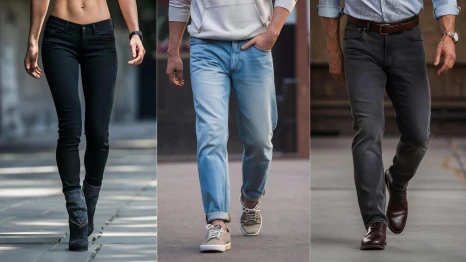
A pair may fit correctly and still be a poor purchase if it works with only one outfit. Before ordering, create three complete combinations using items already in the wardrobe: one for a normal working day, one for leisure and one for changing weather or a less formal occasion. If all three require additional purchases, the shoes may be creating a new problem instead of solving an existing one.
PASSAGE offers shoes as well as clothing and accessories in Esik, Almaty Region, allowing shoppers to consider a model within a wider everyday wardrobe. The useful question is not whether the shoes are fashionable in isolation, but whether their colour, volume and level of formality support clothes that are already worn regularly.
Calculate use, not only the price on the screen
A simple cost-per-wear estimate can make two similarly priced pairs look very different. Divide the purchase price by a realistic number of wears. A pair used twice a week for a 20-week season may reach approximately 40 wears. A special-occasion model worn twice during the same period will have a far higher cost per use, even when its original price is lower.
Payment flexibility should not replace the ten-question check. PASSAGE indicates purchasing through Kaspi Red and delivery options, but the terms for a selected item should be confirmed before ordering. Assortment information and seller updates can be followed in the PASSAGE news and offers section.
What the final score tells you
A result of 17–20 points suggests that the purpose, fit and order conditions are sufficiently clear. A score of 13–16 identifies questions that should be clarified, usually width, material, sole performance or delivery terms. At 12 points or below, postponing the order for 24 hours is sensible: repeat the assessment after the initial excitement has passed.
The objective is not to eliminate every spontaneous choice. It is to recognise when a purchase is supported by measurable use and when important information is missing. Comparable products and sellers can be reviewed across the Mytrade.kz marketplace using the same ten criteria.
A confident order should be easy to explain
Before confirming payment, complete one sentence: “I need this pair for…, it should fit…, and I will wear it with…”. When all three parts are specific, the order is more likely to serve a genuine purpose. When one part remains vague, return to the table and clarify it before proceeding.
Readers planning to spread wardrobe expenses over time can continue with the previous article: when buying in instalments can make a wardrobe update easier to manage.