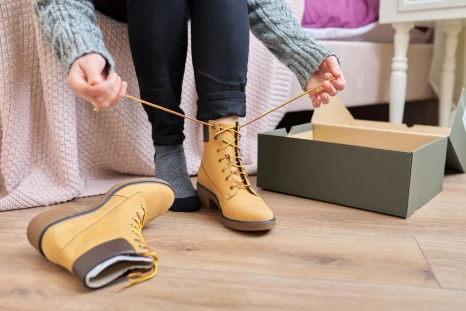
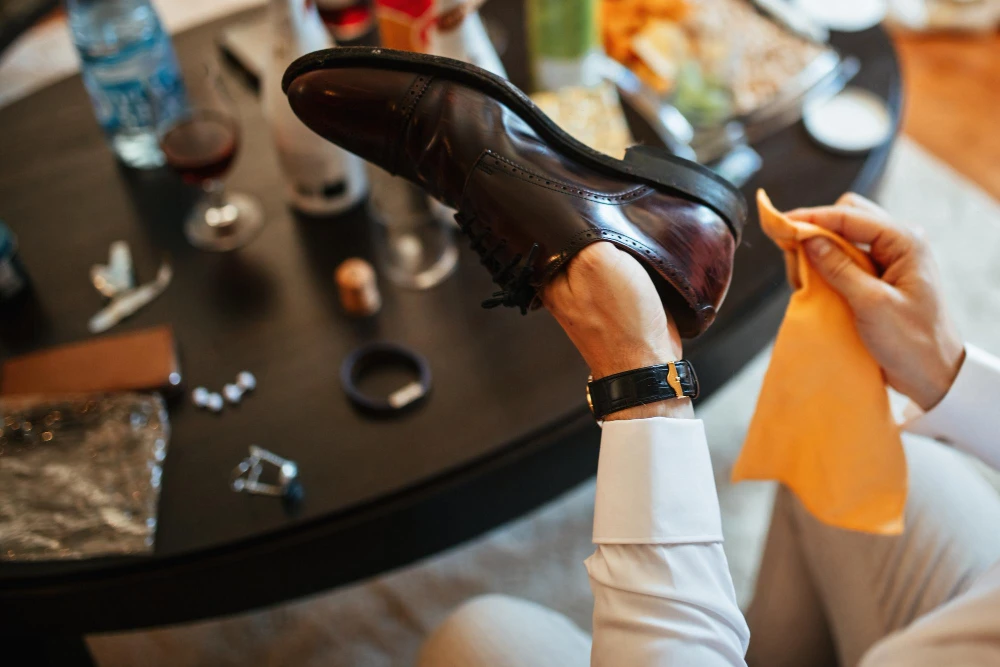
Shoes rarely become unusable because of one dramatic accident. More often, their condition declines through small repeated habits: wearing the same pair every day, drying it beside a heater, leaving dirt around the sole edge or postponing a minor repair. This guide is for anyone who wants to preserve fit, appearance and comfort for at least one additional season. Before buying replacement footwear, it is worth checking whether a better care routine can still protect the pair you own. Different everyday options are presented in the PASSAGE footwear store profile.
Give the materials time to recover between wears
Footwear needs more than a few hours to release internal moisture and return to its normal shape. Insoles, linings and heel padding absorb warmth during the day even when the upper looks completely dry. Podiatrists commonly recommend rotating footwear rather than wearing one pair continuously, while repair specialists note that repeated moisture-and-drying cycles can accelerate deformation.
A practical rule is to avoid using the same pair on two demanding days in a row. Loosen the laces, remove detachable insoles and leave the shoes in a ventilated room. A second everyday pair does not have to be identical: it can be selected for a different walking distance, weather condition or dress code. Suitable alternatives can be compared among the current footwear offers from PASSAGE.
Create a two-minute cleaning station near the entrance
Professional cleaners often emphasise consistency rather than complicated products. A soft brush, an absorbent cloth and a separate tool for the outsole are enough for routine maintenance. Keeping them near the door makes it easier to remove dust before it becomes embedded in seams, textured leather or fabric fibres.
A quick routine after every wear
- Open the laces or fastening fully instead of pulling the foot out by force.
- Remove loose grit from the outsole and welt before it hardens.
- Wipe smooth surfaces with a dry or slightly damp cloth.
- Allow the interior to air out before placing the pair in a box or wardrobe.
- Inspect the toe flex line, heel edge and sole attachment for early damage.
Videos are also useful for checking how different uppers, soles and fastening systems behave in real use. The PASSAGE Reels collection provides a visual way to compare footwear designs before choosing a new pair.
Drying technique can determine whether the shape survives
Cobblers, leather-care professionals and athletic footwear specialists generally agree on one point: aggressive heat creates unnecessary risk. A radiator, hair dryer, tumble dryer or strong direct sunlight may dry the surface quickly but can stiffen leather, distort synthetic components or weaken glued areas.
For a wet pair, first remove the insoles and blot the upper with an absorbent cloth. Place plain white paper loosely inside to support the toe and absorb moisture. Replace the paper once it becomes damp. Do not pack it tightly, because wet material is more vulnerable to stretching. Leave the shoes at room temperature with airflow around them, and apply an appropriate conditioning product only after the pair is fully dry.
One useful professional trick is to photograph the shoe before and after drying. Comparing the images makes subtle toe lifting, uneven heel collapse or sidewall distortion easier to notice. More practical visual guidance can be explored in the short-video section on Mytrade.kz.
Treat each section according to its material
Smooth leather
Remove surface dust before applying cream or conditioner. Use a thin layer and test it on a discreet area because even a suitable product may slightly alter colour or sheen. Leather specialists typically prefer several light applications over one heavy coating. Excess product can leave residue in seams and attract more dust.
Suede and nubuck
Let the surface dry before brushing. Work gently and avoid rubbing one spot repeatedly, as excessive pressure can flatten the nap or spread a stain. Products intended for smooth leather should not automatically be used on suede. A dedicated brush and gradual cleaning usually produce a safer result than soaking the affected area.
Textile and mesh
Spot cleaning is often less disruptive than immersing the whole shoe. Remove the laces and clean them separately. Apply a small amount of mild cleaner to the affected area, working from the outer edge toward the centre. This technique reduces the chance of making the stain larger.
Mixed-material footwear
Divide the shoe into care zones. Use one method for suede panels, another for leather sections and a separate brush for the outsole. Photographing the original care label is a useful precaution because printed instructions can fade during wear. PASSAGE offers footwear made from suede, textiles and combined materials, so maintenance should always follow the actual construction of the model. Additional buying and care topics appear in the seller’s news and offers section.
Repair specialists notice warning signs before customers do
A worn heel cap, a loose stitch or a small opening near the sole may appear cosmetic at first. Cobblers usually advise dealing with these defects early, before the surrounding material becomes damaged. Applying household glue without identifying the construction can contaminate the repair area and make later professional work more difficult.
- If one side of the heel wears faster, have it checked before the base is affected.
- If the outsole begins separating, stop wearing the pair in wet conditions.
- If a thread appears, do not pull it or cut it flush with the upper.
- If the heel counter bends, begin using a shoehorn and stop stepping on the back.
- If the tread becomes smooth in key contact zones, reassess grip and safety.
A monthly photograph of the outsole is another useful habit. Side-by-side images reveal uneven wear more clearly than memory does. For footwear, accessories and offers from different sellers, shoppers can use the Mytrade.kz marketplace.
Store shoes as carefully as you wear them
Off-season storage should begin only after complete cleaning and drying. Damp shoes placed in a sealed bag may develop odour, staining or surface changes. Support the toe with a correctly sized shoe tree or loosely inserted plain paper, then place the pair in a breathable bag or box away from radiators, direct sunlight and damp walls.
Five storage details that prevent avoidable damage
- Do not place heavy boxes on top of soft footwear.
- Store light shoes separately from dark polish, coloured paper and dye-transfer fabrics.
- Keep each pair fastened loosely rather than tightly compressed.
- Add a photo label to the box to avoid repeatedly opening and moving stored pairs.
- Check stored footwear midway through the season instead of leaving it untouched for months.
One more season should still be comfortable and safe
A disciplined routine can preserve colour, structure and appearance, but maintenance cannot reverse every form of wear. A pair with unreliable grip, a collapsed heel counter or persistent pressure points should not be kept in service solely because the upper still looks presentable. PASSAGE provides everyday, classic and seasonal footwear options, allowing customers to compare replacements when repair no longer makes practical sense.
Before deciding whether to restore or retire an older pair, review the previous guide on the five signs that a favourite pair of shoes should be replaced.