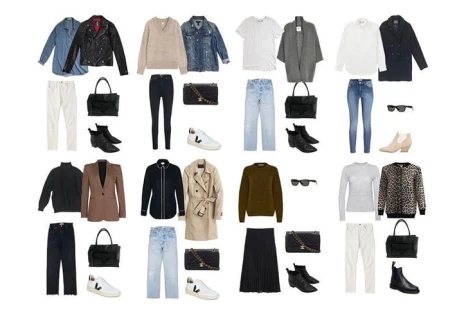
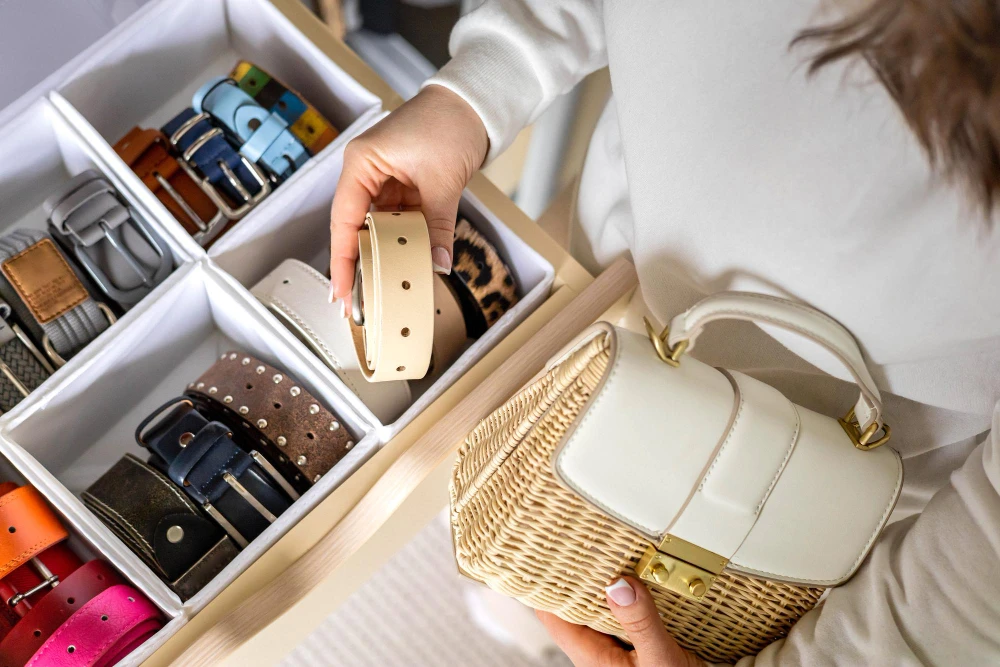
A basic wardrobe does not become more versatile simply because it contains more bags, belts and jewellery. It works when a limited number of accessories solve recurring dressing problems: carrying daily essentials, defining proportions, linking colours and adapting an outfit to a different occasion. This guide is for women who want to build reliable combinations for work, meetings and everyday plans without accumulating attractive but rarely used pieces. The available product direction can be explored through the by.olga.shop company profile on Mytrade.kz.
Give every accessory a job before giving it wardrobe space
The word “basic” should describe function rather than appearance. A practical accessory earns its place by completing several existing outfits, not by looking neutral on its own. A black bag may still be impractical if it is too small for daily essentials, while a coloured scarf can become a genuine staple when it connects several frequently worn shades.
Street-style photographer Tommy Ton offered a concise answer in Vogue: “The answer is quite simple: focus on accessories.” His point was not that every trend requires a new purchase. Thoughtful accents can give familiar clothes a different identity and stay in rotation beyond one season. The proportions, movement and visual weight of accessories can be assessed through by.olga.shop Reels featuring complete looks.
The six-piece starter edit
1. A dependable everyday bag
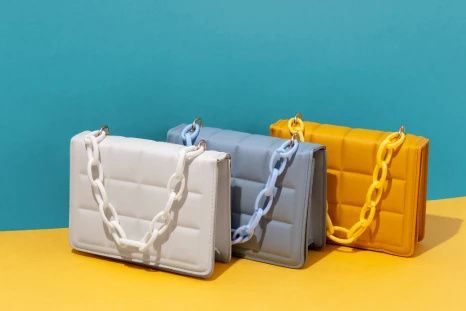
The first bag should match the owner’s real routine. It needs enough space for the items carried most days, a comfortable handle or strap and an opening that can be used without effort. A structured tote may suit work and appointments, while a softer shoulder bag may fit a more relaxed schedule. Colour comes after capacity, comfort and compatibility with outerwear.
2. A smaller hands-free option
A crossbody or compact shoulder bag covers walks, informal meetings and occasions when carrying a larger model is unnecessary. The second bag should offer a genuinely different function. Two bags with nearly identical size, strap length and capacity create duplication rather than versatility.
3. One well-proportioned belt
A simple belt can reshape trousers, jeans, dresses, cardigans and blazers. The best starting point is a width that fits existing belt loops and a buckle that does not compete with jewellery or bag hardware. Vogue’s timeless-accessories edit specifically highlights an understated leather belt as a piece that can work across trousers, dresses and tailoring.
4. Comfortable everyday jewellery
A pair of earrings, a chain, a ring or a watch can provide a consistent finishing detail. Comfort matters more than visual impact: heavy earrings, sharp edges or difficult fastenings reduce the likelihood of repeated wear. Bags, clothing and complementary pieces can be compared within current offers from by.olga.shop rather than assessed as isolated products.
5. A colour-linking scarf
A scarf can repeat a shade from a blouse, bag or shoes, soften a dark outfit or add contrast near the face. Its value lies in the number of styling roles it can perform: around the neck, over the shoulders, on a bag handle or as a subtle hair accessory.
6. Sunglasses suited to frequent use
Basic sunglasses should remain comfortable after more than a few minutes. Frame width, bridge fit and lens size matter because a visually appealing pair will still remain unworn if it slips, presses or overwhelms the wearer’s features.
Why popularity is not the same as usefulness
The jewellery category illustrates how strongly emotion and brand recognition influence accessory purchases. The State of Fashion 2026 reports that branded jewellery accounted for 25% of the market in 2024 and grew by an average of 8.3% per year from 2021 to 2024. In 2025, 61% of surveyed consumers said jewellery was one of the categories where brand mattered most.
The report describes jewellery as serving demand for “long-lasting investments, self-expression and treating themselves.” Those motives are understandable, but they do not automatically make a particular piece suitable for a basic wardrobe. A recognisable name cannot compensate for uncomfortable weight, difficult styling or a design that only works with one outfit.
The broader clothing market demonstrates the cost of weak selection. WRAP research found that 26% of items in an average UK wardrobe had not been worn during the previous year. The Ellen MacArthur Foundation also reported that worldwide clothing utilisation fell by 36% over a 15-year period. These findings concern clothing, but the same decision principle applies to accessories: ownership has little practical value without repeated use.
The 3–2–30 test before buying
- Three existing outfits. Name three complete combinations that already work with the accessory. Do not count outfits that require another purchase.
- Two recurring situations. Identify at least two real contexts in which it will be used, such as work and weekends or meetings and travel.
- Thirty realistic wears. Estimate whether the piece can be used at least 30 times during the next year without forcing it into unsuitable outfits.
This test converts an emotional decision into a wardrobe calculation. An accessory used twice a week could achieve more than 100 outings in a year, while an event-specific piece may remain unused after one appearance. Additional styling approaches can be observed in the short-video collection on Mytrade.kz.
Small technical details that determine repeat wear
- Hardware: check whether gold, silver or dark metal coordinates with the jewellery and watches worn most often.
- Scale: compare the size of the bag, buckle or earrings with the volume of coats, jackets and dresses already owned.
- Fastening: test whether the zip, clasp or buckle can be operated quickly and comfortably.
- Weight: assess the accessory with its usual contents rather than when empty.
- Maintenance: consider whether the material suits local weather, transport habits and frequency of use.
An accessory may look convincing in a product image but become inconvenient in practice because of strap length, closure position or weight distribution. by.olga.shop presents women’s clothing, bags and accessories intended for everyday and business combinations in Almaty. Related wardrobe guidance is available in the by.olga.shop news and offers section.
What usually creates clutter rather than variety
- Several bags with the same capacity and purpose but slightly different decoration.
- Jewellery bought for a single outfit without a second realistic combination.
- Belts that do not fit the loops of existing trousers and jeans.
- Miniature bags that cannot hold the items carried every day.
- Highly seasonal accessories without a clear plan for repeated use.
- Pieces selected only because they are visible across current fashion content.
Vogue describes enduring accessories as pieces to “buy now and love forever.” The practical meaning of that phrase is not purchasing expensive objects automatically. It means choosing items whose proportions, comfort and styling potential remain relevant after the first excitement has passed. Products and seller storefronts can be compared through the English version of the Mytrade.kz marketplace.
A smaller collection can produce more finished outfits
A functional starting set may contain one everyday bag, one compact bag, one belt, one frequently worn piece of jewellery, one scarf and one pair of sunglasses. The exact number can change with lifestyle, but each addition should perform a role not already covered by another item. by.olga.shop can be considered when comparing clothing and accessories as coordinated combinations rather than unrelated purchases.
The final question is not whether an accessory looks appealing today, but whether it will support enough future outfits to justify its place. That calculation continues the method explained in the previous article, how cost per wear reveals whether a purchase is genuinely worthwhile.