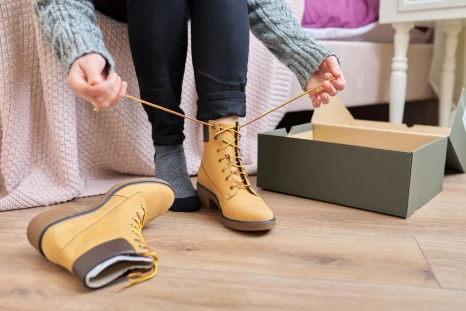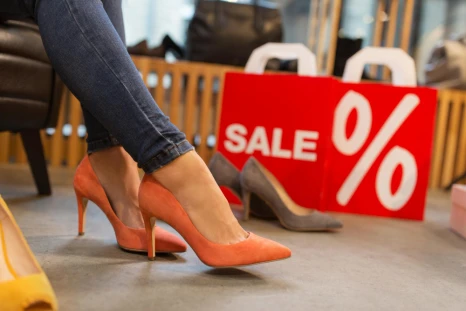
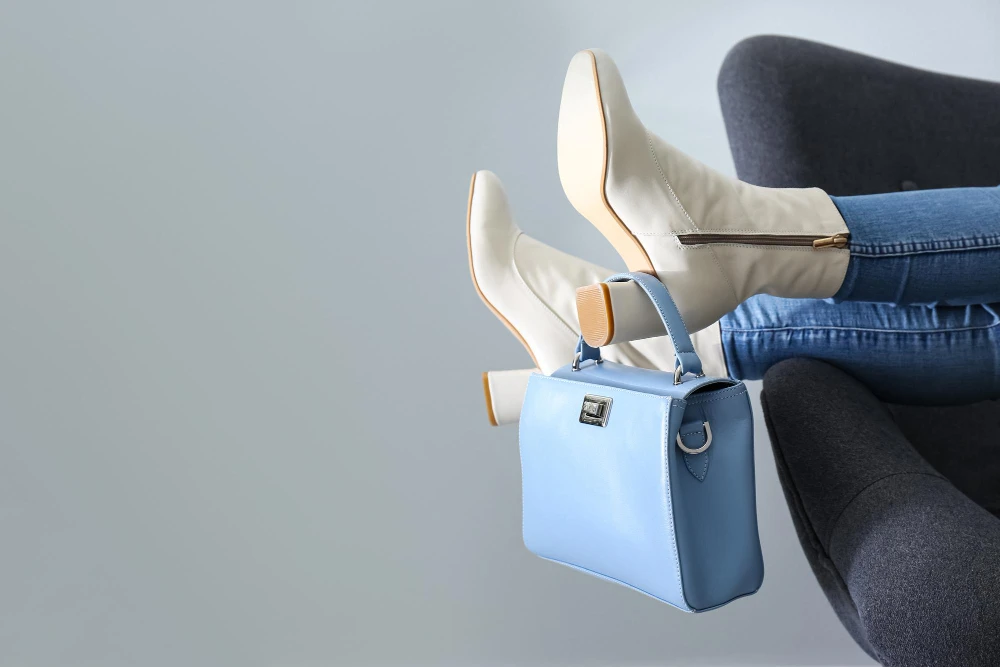
A handbag and shoes do not need to be identical to make an outfit look intentional. Exact matches can be useful for formal dressing, but repeating the same colour, material and decoration often produces a rigid, predictable result. This guide is for shoppers who want accessories that work across several outfits rather than one fixed combination. The models presented on the PASSAGE footwear store profile can be assessed not only by colour, but also by silhouette, visual weight and everyday purpose.
Begin with the role each accessory must perform
Before comparing shades, decide whether the shoes or the bag will lead the outfit. Shoes with a thick sole, metallic detail, contrasting panels or an unusual shape already create a strong focal point. In that case, a quieter bag usually provides better balance. When the shoes are simple loafers, neutral sneakers or plain ballet flats, the handbag can introduce colour, texture or a distinctive structure.
This approach prevents two statement pieces from competing for attention. It also makes shopping more practical because the decision is based on the whole wardrobe. When reviewing current footwear offers from PASSAGE, compare each pair with the bags, trousers, outerwear and accessories you already use. A versatile purchase should create several combinations rather than require another purchase to complete it.
Use one visual echo and one deliberate difference
A convincing shoe-and-bag pairing normally needs one shared feature. It may be a warm colour family, matte texture, rounded shape, similar hardware or the same degree of formality. The second feature should differ. Cognac shoes can work with a burgundy bag because both colours feel warm, while their shades remain distinct. White sneakers can be paired with a black crossbody bag when both pieces have clean lines and minimal decoration.
A 2025 Fashion and Textiles study retained 9,056 clothing images from a larger dataset and analysed 20 colour-related features, including colour values and the proportions occupied by different garments. The researchers found that two established colour-harmony models correlated only 0.11 and −0.02 with contemporary observer responses. The practical lesson is that colour matching cannot be reduced to a single traditional formula: context, proportion and the size of each colour area also affect perception.
Four reliable ways to create a connection
- Repeat the colour temperature rather than the exact shade: pair warm beige with caramel, or cool grey with blue.
- Connect the accessories through hardware: similar silver or gold details can unite otherwise different colours.
- Keep the style level consistent: formal pumps usually work better with a structured bag than with an oversized casual tote.
- Match the visual weight: substantial boots need a bag with enough presence, while delicate shoes suit a lighter silhouette.
Materials often change significantly under natural light. Suede appears softer, patent surfaces become more reflective, and textile details may look more casual in motion than in a product photograph. The short product videos from PASSAGE can help shoppers evaluate texture, proportions and construction before deciding how a pair may interact with an existing handbag.
Texture should communicate the same mood, not copy the surface
Creative director Maj-La Pizzelli describes the relationship succinctly: “The clothes are the canvas, and the accessories are the actual art.” The statement explains why shoes and a handbag should contribute to an outfit rather than behave like compulsory twins. A smooth leather bag can complement suede shoes because both materials feel refined, while the contrast between smooth and brushed surfaces adds depth.
Footwear specialist Sarah Zurell advises shoppers to “aim for materials that complement each other.” Complementary does not mean identical. Matte leather loafers can work with a woven bag for daytime dressing, while patent shoes may need a simpler bag to prevent excessive shine. If both pieces have a strong texture, keep at least one of them restrained in colour or size.
Examples of balanced combinations can also be studied through the Mytrade.kz short-video collection. Instead of looking only at individual products, observe whether the bag repeats a detail from the belt or jacket, whether the shoes connect with the lower part of the outfit, and whether one accessory remains visually quieter than the other.
Scale can disrupt an outfit faster than colour
A small structured bag beside slim loafers often looks balanced because both pieces share a compact visual language. A roomy, softened tote usually works more naturally with substantial sneakers or boots. Deliberate contrast is possible, but it should appear controlled. A tiny evening bag with heavy combat-style footwear may look expressive in a fashion-led outfit, yet accidental in an ordinary work or travel combination.
Use a full-length photograph to test scale. Step several metres away from the mirror or reduce the image on your phone. If the handbag becomes the only visible accessory, it may be too large, bright or heavily decorated. If the shoes disappear completely, they may need support from another detail, such as a belt, jewellery or a repeated accent colour.
Shoe expert Veronyca Kwan notes that “personal style plays a big role, too.” Rules should therefore function as diagnostic tools, not restrictions. A minimalist may prefer tonal shades and clean shapes, while someone with a more expressive wardrobe may deliberately mix patterns. Both approaches can succeed when the proportions and intended focal point remain clear.
Measure versatility before buying another accessory
WRAP reported that the average UK adult owned 118 clothing items, while 26%, approximately 31 items, had not been worn for at least a year. These figures do not describe Kazakhstan directly, but they illustrate the risk of buying an accessory for only one pre-planned combination. Before purchasing, identify at least three realistic situations in which the bag or shoes will be used: a working day, a casual weekend and an evening appointment.
A useful test is to create three outfits with the new shoes and three with the handbag. The combinations do not need to use both accessories together. In fact, their ability to function separately is a stronger sign of versatility. Shoppers can compare different categories and styles through the English-language Mytrade.kz marketplace, considering material, shape, fastening, capacity and likely frequency of use rather than colour alone.
Why a ready-made matching set is not always the economical choice
The BoF–McKinsey State of Fashion survey found that only 20% of industry executives expected consumer sentiment to improve in 2025, while 39% expected industry conditions to worsen. In a value-conscious market, accessories that support multiple outfits are more practical than pieces dependent on one exact partner. A bag should work when the shoes change, and the shoes should remain useful when a different bag is required.
PASSAGE offers footwear and accessories for everyday use, including models made from suede, textile and combined materials. New selection guides and practical articles are available in the PASSAGE news and offers section, where shoppers can continue comparing materials, comfort factors and wardrobe scenarios.
A coordinated outfit should still show personality
The most flexible formula is simple: create one recognisable connection between the handbag and shoes, then leave one controlled contrast. They may share a colour family but differ in texture, repeat the same hardware but use different shades, or have similar proportions while serving different stylistic roles. PASSAGE footwear should therefore be assessed against the entire wardrobe, the expected weather and the length of wear—not only against one handbag. Readers planning a compact travel wardrobe can also consult the previous guide to choosing travel shoes while saving suitcase space.