This article is for people choosing sneakers for commuting, shopping, office days and long walks rather than structured training. A shoe may look athletic without being designed for running, while a technical sports model may feel excessive or unstable during slow city movement. Before selecting a pair from PASSAGE, it is worth examining how the sole, upper, heel and forefoot behave during the movements you actually repeat every day.
Start with the activity, not the appearance
Running and urban walking place different demands on footwear. Running includes faster loading, a flight phase and repeated forward movement, so sports shoes may use pronounced cushioning, a curved rocker profile or components intended to control movement at speed. City sneakers must also perform during standing, turning, climbing stairs and short stop-and-start journeys.
A practical comparison begins with the intended use. The PASSAGE company storefront on Mytrade.kz can be used to review footwear while considering whether each model is intended for ordinary daily wear or more specialised activity. A technical feature is useful only when it matches the customer’s route and pace.
The sole reveals what the sneaker was built to do
A running sole encourages forward movement
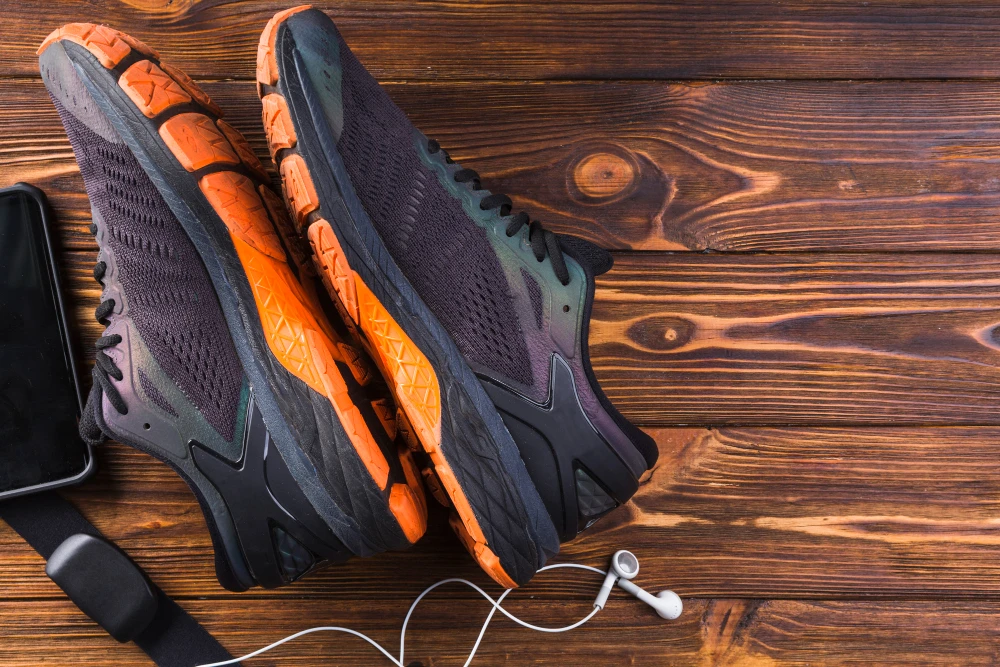
Many running models have a thicker midsole and a visibly raised toe. This shape can assist the transition from landing to push-off, but it may feel less natural when a person is standing in a queue, moving sideways or walking slowly through a building. A very high and narrow platform may also require more balance during quick changes of direction.
An everyday sole prioritises predictable contact
City footwear usually benefits from a stable contact area, moderate cushioning and a forefoot that bends near the toe joints. The shoe should not fold easily through the middle, because excessive softness can reduce support. When reviewing current footwear offered by PASSAGE, buyers can compare the width of the outsole, heel shape and position of the main flex point.
Fit matters more than the label on the box
A sports designation does not automatically mean that a sneaker will remain comfortable throughout an ordinary working day. Oxford Health NHS advises that there should be “1 cm between the end of your longest toe and the end of your shoe.” The same guidance recommends a firm heel area, an adjustable fastening and enough depth for the toes.
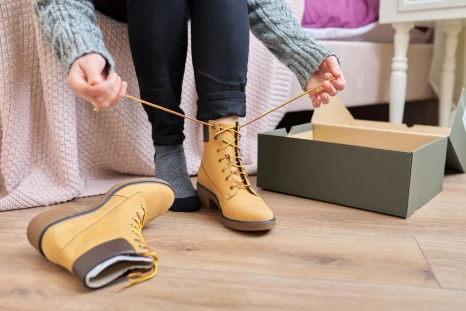
Try both shoes because feet are often slightly different in size. Walk, stop, turn and rise onto the forefoot. The heel should remain secure, the toes should move freely and the upper should not create pressure across the instep. The PASSAGE Reels collection can help customers inspect toe-box proportions, upper construction and sole height before visiting or comparing models.
Four details that separate a practical city pair
- Controlled cushioning. The foam should reduce harsh contact without allowing the foot to sink or move sideways excessively.
- Secure heel structure. A firm heel counter helps hold the rear of the foot during turns and stair use.
- Suitable urban grip. The tread should work on asphalt, smooth flooring and damp paving without the deep lugs normally used for trails.
- Durable, breathable upper. Materials should allow ventilation while resisting repeated bending, contact with dust and regular cleaning.
A mesh upper designed for intense exercise may provide strong ventilation but offer limited protection from dust or moisture. A dense fashion upper may keep its shape but feel warm after several hours. Visual comparisons available in the short-video section of Mytrade.kz can make these construction differences easier to recognise.
More cushioning does not guarantee fewer injuries
A Cochrane review examined 12 studies involving 11,240 participants. Its authors found that “soft midsole shoes may make little or no difference” to the number of runners sustaining lower-limb injuries compared with hard-midsole footwear. The certainty of much of the evidence was low or very low.
This finding is important even for non-runners: one highly visible feature should not determine the purchase. Comfort, fit, stability and the intended activity must be assessed together. Additional practical guidance on evaluating footwear can be found in the PASSAGE news and offers section.
Wear should be assessed by condition as well as distance
The American Podiatric Medical Association recommends replacing running shoes after approximately 300–400 miles, equivalent to about 483–644 kilometres. This figure applies to running footwear and should not be treated as a fixed expiry limit for every city sneaker. Everyday wear varies according to body weight, walking surface, frequency of use and construction.
For a city pair, inspect uneven heel wear, compressed foam, a smooth tread, damaged lining and loss of heel security. A sneaker may still look presentable while its sole has already become noticeably tilted. Buyers can compare available footwear and sellers through the Mytrade.kz marketplace.
Choose according to a real weekday
- Estimate how many hours you walk, stand, drive or use public transport.
- Identify the main surfaces: asphalt, tiles, stairs, office flooring or mixed routes.
- Check approximately 1 cm of room beyond the longest toe without allowing heel movement.
- Test turning and stopping, not only straight-line walking.
- Avoid choosing a specialised running or trail model solely because it looks more technical.
The World Health Organization reported that 31% of adults worldwide, around 1.8 billion people, did not meet recommended activity levels in 2022. WHO recommends at least 150 minutes of moderate-intensity activity per week. Dr Fiona Bull of WHO emphasised the need for environments that make activity “easier and safer for everyone.” Comfortable everyday footwear cannot create an active routine by itself, but it can remove avoidable pressure, rubbing and instability from regular walking.
The right sneaker should disappear into the routine
A city sneaker is not simply a less advanced sports shoe. It is footwear designed for slower movement, repeated stops, prolonged standing and varied surfaces. PASSAGE offers footwear, clothing and accessories in Esik, and a suitable choice should reflect foot width, instep height, walking duration and the conditions in which the pair will be worn. Before making a decision, review the previous guide on checking shoe quality through seams, soles and materials.